
Get Started
LEARN MORE


In my years as a senior risk executive and now as CEO of Safe Haven Defense, I’ve seen how quickly the security conversation can drift toward complexity—smart systems, AI integration, cybersecurity convergence. All of these are important. But in our race toward innovation, there’s a danger of leaving the fundamentals behind.
The reality is this: the threat landscape is evolving, but our first priorities shouldn’t. We need to get back to basics.
We’re Facing a Different Kind of Threat
Workplaces today are navigating a rising tide of complex risks—from cyber-physical convergence to insider threats and, most tragically, a growing number of violent incidents.
In 2024 alone, the U.S. experienced two dozen active shooter incidents. Nearly 1 in 5 of those occurred in business or commercial settings. And while schools often dominate the headlines, the data tells us that corporate environments are equally exposed—if not more so.
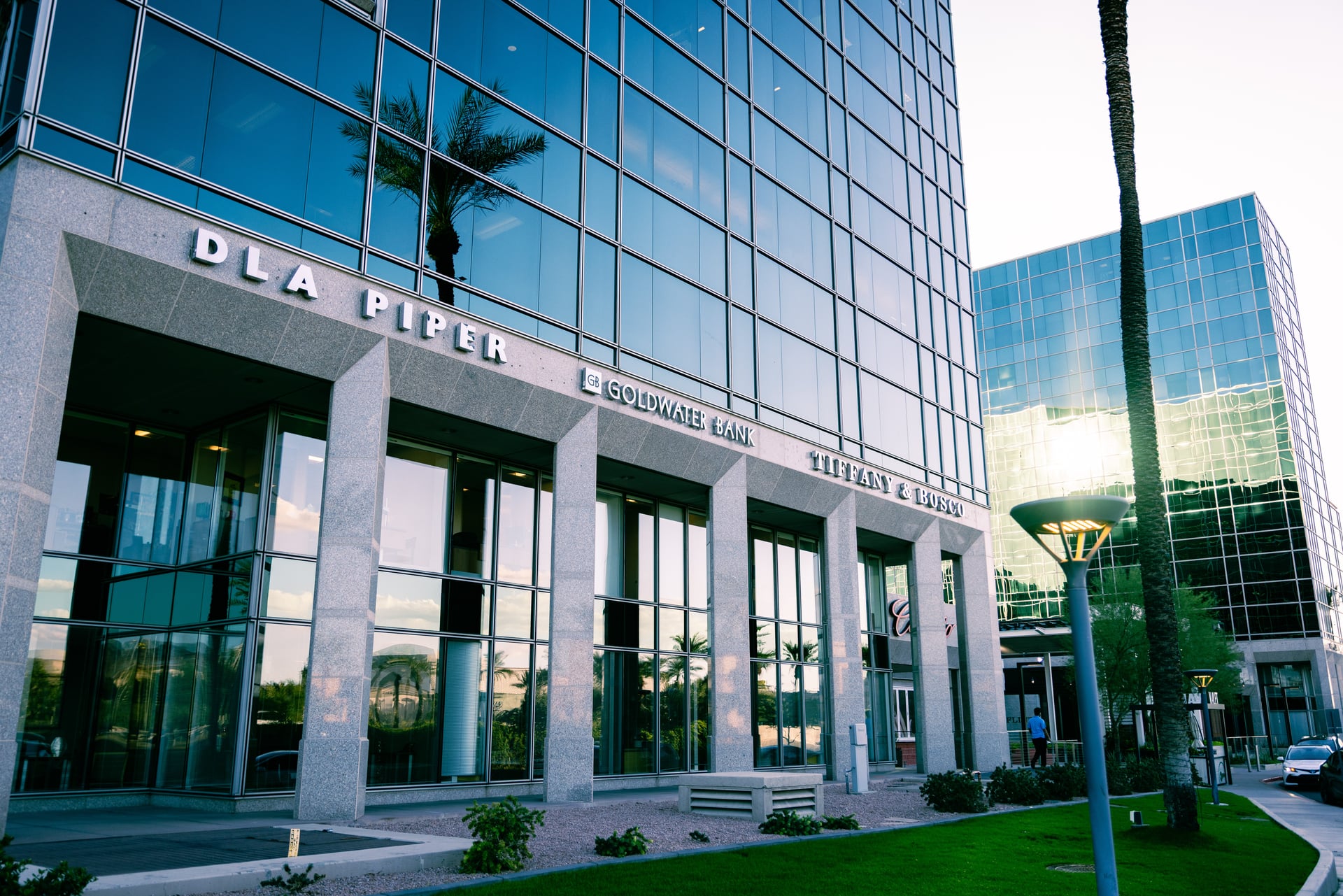
At the same time, modern architecture trends have embraced transparency: glass-walled lobbies, open floor plans, and daylight-heavy designs. These spaces are beautiful, collaborative, and inviting—but they’re also vulnerable.
And in too many security strategies, that vulnerability gets overlooked.
Glass: The Most Overlooked Link in Workplace Security
Standard glass is designed for design—not defense. It offers minimal resistance to forced entry, blunt-force attacks, or ballistic threats. And in the context of an active shooter or smash-and-grab event, glass is almost always the first point of failure.
I’ve walked through Fortune 500 campuses with state-of-the-art surveillance and access control—only to see entire facades of unprotected glass. It’s like investing in a digital firewall while leaving your front door open.
Until glass is addressed, the rest of your strategy is only as strong as its weakest link.
Human Capital Deserves Physical Protection
The most important asset in any company isn’t a product or a patent. It’s people. And protecting your workforce—what we call human capital—isn’t just an ethical imperative. It’s strategic.
When employees know their physical safety has been thoughtfully planned for, it builds trust. It improves retention. It changes how people show up to work—especially in a world where anxiety about workplace violence is no longer theoretical.
The C-suite doesn’t just own business continuity plans. It owns the message that people matter most—and that protecting them is not a reaction. It’s a responsibility.
Back to Basics: Why Bullet-Resistant Laminate Deserves a Second Look
We often associate workplace security with high-tech layers: AI-powered cameras, biometric locks, machine learning analytics. These tools are valuable. But they work best when paired with physical resilience.
That starts with reinforcing the most common breach point: glass.
Bullet-resistant glass laminate is a transparent protective film that strengthens existing glass without changing the look or feel of your workplace. It’s not new—but it is underutilized. And as risk professionals reevaluate their strategies, this “low-profile” solution deserves to be brought back into focus.
Bullet-resistant glass laminate:
Rethinking Resilience in a Layered World
Security isn’t a single solution. It’s a layered discipline—built from infrastructure, technology, and people.
Yes, you need your access controls. Yes, you need emergency drills and employee readiness. But none of those reach their full potential if an attacker can breach a vulnerable pane of glass in under 10 seconds.
That’s where back-to-basics thinking becomes advanced strategy.
Before we lean further into innovation, we must re-ground ourselves in practical, effective, physical measures. We must ask: What’s most vulnerable?
And are we addressing that first?
The Time to Reassess Is Now
This isn’t about rejecting new tools. It’s about remembering that time is the most valuable asset in any crisis. Time to respond. Time to act. Time to survive.
Protecting your workplace should start with delaying those who intend harm—not just detecting them.
As security leaders, we owe it to our people to do more than react. We owe them a plan that considers everything, beginning with the basics. Because in the future of workplace security, resilience isn’t built on novelty; it’s built on clarity, readiness, and the strength to endure what comes next.
Let’s Talk About Protecting What Matters Most
If this conversation resonates with you—if you’re rethinking how your organization protects its people—I invite you to connect. Reach out to me and the team at Safe Haven Defense to explore how you can integrate bullet-resistant laminate into your workplace strategy. We’re here to share insights, specifications, and real-world applications that help build safer, more resilient environments.
Because when your people see that you’ve prepared for the worst, they show up at their best.

The threat landscape is evolving, but our first priorities shouldn’t. We need to get back to basics. Security isn’t a single solution. It’s a layered discipline—built from infrastructure, technology, and people.